Ahead of the 2024 General Election, Labour made a manifesto promise of a trans-inclusive conversion practices ban. This would stop people accessing help, in the areas of sexuality and gender, to live in line with how God made them – as a man or a woman.
Campaigners for a ban have made it clear that they see orthodox Christian prayer and pastoral support as ‘abusive’ and want to see it banned.
The bill as it stands could see pastors and parents investigated and even jailed for helping a church or family member, years earlier, at their request.
As such, this bill could be the greatest threat to Christian freedoms we have seen in decades.
It is vital that Christians pray and act to make clear that this bill is unjustified, unnecessary and harmful.

What are the problems with the bill?
- The bill defines ‘conversion practice’ as “any conduct” – which includes prayer and conversations.
- It then narrows its scope by defining ‘abusive conversion practices’. But its test for what is ‘abusive’ is vague and subjective.
- For example, imagine a church leader who teaches authoritatively from the Bible that same-sex behaviours are wrong. The church leader then prays for a church member at their request. This prayer could, years later, be branded as controlling and abusive. The church leader would likely face investigations and could face a prison sentence of up to five years.
- Likewise, imagine a parent of a teenager who declares that they are trans or non-binary. If the parent disagrees with their child’s new ‘identity’ and restricts them from expressing it (e.g. banning the use of a chest-binder or crossdressing), they could be accused of controlling and coercive conversion practices.
- The criminal offence of carrying out an ‘abusive conversion practice’ requires evidence that the practice has caused serious harm, alarm or distress. Since ordinary conversations and prayers do not genuinely have these effects, successful prosecution appears unlikely. But even if no criminal charges are pursued, the accusation would likely lead to invasive investigations, unwarranted safeguarding referrals and reputational damage.
- The bill also creates an offence of “encouraging or assisting an abusive conversion practice performed outside England and Wales” and ‘Conversion practice protection orders’. Neither of these require any words or actions to have taken place. It therefore allows pre-emptive measures to be taken against faithful Christians with no genuine proof that their words or actions would have been harmful.
What can Christians do?
Respond
Provide evidence to the Conversion Practices Bill Committee by 16 November 2026.
- Use our guide to give a full response.
- If you are short on time, focus on question 16. Explain the real impact this bill would have on your church and family. Give examples of people you’ve helped and who are grateful. Point out that these measures would have threatened you with prosecution for the help you gave.
Speak
- Speak clearly with other Christians about the Bible’s teaching on these issues. Although this should always be done with sensitivity, it is not loving to leave people in the dark about the nature of sin.
- Normalise repentance from all kinds of sin. In response to God’s lavish grace, Christians should expect to see Spirit-empowered change to become more Christlike. Although this is not always dramatic or instant, we should seek and celebrate progress.
Learn
- It is highly likely that you, a family member or church member is struggling with gender and sexuality issues. So it is important to be aware of what kinds of support are most helpful.
- Ministries like Core Issues Trust and Desert Stream provide well-informed support and groups to people who want to address these issues in their lives.
- The International Foundation for Therapeutic and Counselling Choice provides expert analysis, training and resources to understand and respond to these issues.
- Groups like X-Out-Loud can provide peer-to-peer support for ex-LGBT Christians.
Connect
Subscribe to the Christian Concern email list to be kept up to date with the parliamentary campaign and for more news and resources on this and other issues.
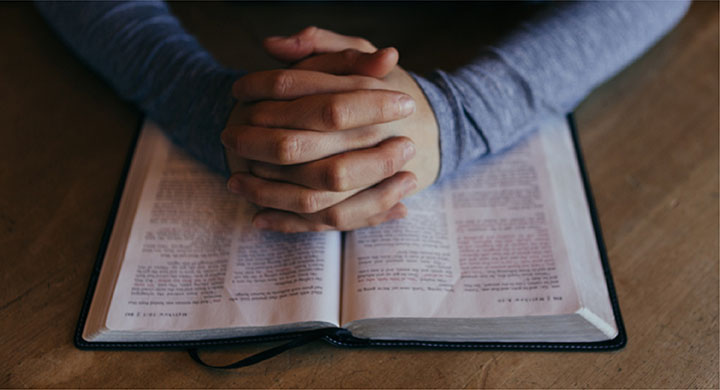
Prayer points
- Pray that the Labour Government, and other currently supportive parties, recognise that this bill is harmful, unnecessary and unwanted. Pray that they would drop their support for it.
- Give thanks for widespread opposition, including from the Conservatives, Reform UK, Christian groups, LGB groups and free-speech groups. Pray that their voices will be amplified in these debates
- Give thanks for the Telegraph’s stated opposition to the bill. Pray that other newspapers and media outlets would likewise oppose the bill or, at least, commit to covering the debate accurately and truthfully.
- Pray for the Church as a whole, to be clear in opposing the bill. Pray that many church leaders would respond to the call for evidence and be clear about the threat that the bill poses.
- Pray that the Church of England would drop its misleading opposition to ‘conversion therapy’. In July 2017, its synod passed this ill-judged motion, which is out of step with the Bible and its own doctrine. Pray that its leadership would have the courage and faithfulness to reverse its direction on matters of gender and sexuality.
- Praise God for the testimonies of people like Matthew Grech, Pete Benjamin, James Parker and many others who have left behind their lifestyle in order to turn and follow Jesus.
- Pray that Christians who are going through these struggles would know about, and be able to access, high quality Christian support.
- Pray for specialist Christian groups that seek to help people with these issues – for excellence, faithfulness and that they can continue their ministries without threat of prosecution.
Other resources
- Visit Freetotalk.org to understand how the scientific evidence on ‘conversion therapy’ is misrepresented.
- Read Andrea Williams explain how the Conversion Practices Bill is ‘weaponised vagueness’.
- Read Patricia Morgan – Conversion Therapy: The Missing Evidence – a book demonstrating how misleading and disingenuous the campaign for a ‘conversion therapy’ ban has been.
- Read more about how Christians can help people struggling with their sexuality
- Paul Huxley on What we can learn from Queered Out Christians.
- Andrew Comiskey on The courage to heal and the freedom to seek support.
- Read and watch testimonies of change from X Out Loud, CHANGED Movement and Queered Out.