Assisted suicide campaigners are urging peers to allocate yet more time to debate the assisted suicide bill. But will more time really fix a bill as fatally flawed as Leadbeater’s assisted suicide bill? Holly Baines explores the issue
As the likely deadline for passing – or defeating – Leadbeater’s assisted suicide bill looms in the coming months, assisted suicide campaigners are urging the House of Lords to allocate yet more time to debating the bill.
With a record number of over 1,000 amendments proposed by peers, each day of debate makes it seem more likely the bill will run out of time before it can be passed.
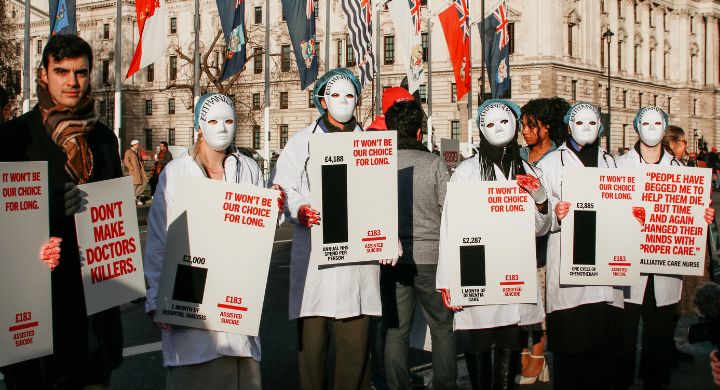
In November, peers were given 10 additional days to debate the assisted suicide bill.
And now, rather than recognising this patched-up bill is broken beyond repair, these campaigners are back again and asking for yet more time.
Proponents of the bill have accused opponents of introducing a vast quantity of amendments as a ‘delaying tactic’. When lives are on the line, surely delay is the only ethical response?
But regardless of the political tactics at play, the fact remains: if the assisted suicide bill was remotely as safe as it claims, this myriad of amendments would be unnecessary.
Why waste more time on a fatally flawed bill?
If there is one thing the shambolic progression of this bill through Parliament has proven, it is that this legislation is unfit for purpose.
Riddled with loopholes, weak safeguards, and opportunities for abuse, Leadbeater’s bill is a far cry from the ‘safe’ bill with the ‘strongest safeguards’ it was touted to be.
Remember that the original proposed bill was vastly different to what it is now. It originally claimed to be safe because of the oversight of a High Court judge. This was dropped last year because of how impractical it would be – but not replaced with a safer system.
The bill is unrecognisable from its form when backed by MPs at second reading. Its flaws have been exposed, prompting a torrent of amendments, designed to somewhat mitigate and rectify the damage a bill like this would case if passed.
These amendments include: protecting unborn children by preventing women from accessing assisted suicide while pregnant; ensuring those accessing assisted suicide have been provided adequate palliative care; and protecting people diagnosed with a mental health condition which cases “episodic or chronic suicidal ideation” from being eligible for assisted suicide.
The UK is not ready for assisted suicide, and it is certainly not ready for a bill that would needlessly and shamelessly put the most vulnerable at risk of coercion, social pressure and an increased lack of adequate medical care.
These amendments are a desperate attempt to save lives by improving – or preventing – this fatal bill.
If this legislation was safe, there would be no need for the 1000+ amendments already submitted.
The problem lies with the bill itself, not a lack of time.
In a bill as patched-up as this, the only safe and ethical solution is to admit defeat and reject the bill.
A spectre of future discrimination?
Another problem with this request for extended sittings for the debate is the way it discriminates against those with disabilities.
One of the most unified voices of opposition to this bill is that of disability rights campaigners and people with disabilities.
They are deeply concerned that this legislation will not only impinge on their already-under-par access to medical care and devalue their lives in the eyes of society, but also eventually give “the state the licence to kill the wrong type of people”.
If anything, the process of this bill has only served to heighten these fears, and this latest request to extend the sitting times is the latest link in a chain of discrimination.
A vocal opponent of the bill and a disability advocate himself, Lord Shinkwin has warned that if the peers were to sit later on a Friday to discuss the bill this would amount to “a feeble fig leaf for discrimination against me” due to his disability.
Earlier in the progression of this bill, another staunch opponent, Naz Shah, was forced to leave the committee session early when the sitting was extended despite her warning that she would need to leave to recharge her hearing aids.
Additionally, elderly and disabled groups were initially prevented from giving evidence to the assisted suicide committee, until widespread outcry forced Leadbeater to admit limited input from these groups.
If supporters of this bill are willing to trample on the needs, concerns and rights of disabled people in order to pass this bill, what actions will they be willing to take once the bill is in force?
There will never be a ‘safe’ assisted suicide bill
More time will not fix Leadbeater’s bill. With every flaw it attempts to patch up, it opens yet more pitfalls and raises more concerns.
Those who think that assisted suicide is compassionate rarely listen to the concerns of those who are most knowledgeable about it – people living with disabilities and medical experts in mental health and palliative care.
For these assisted suicide campaigners, it is merely a matter of autonomy and they fail to see the impossibility of making assisted suicide practical and safe.
The truth is that there will never be a future assisted suicide bill that is safe.
Behind the motivation for assisted suicide is the belief that some lives aren’t worth living – and that the government has a duty to help end these lives.
The ideology that promotes assisted suicide as ‘safe’ and ‘compassionate’ ignores the fact that every life is created by God and deserves to be supported to live well, even in the face of a terminal diagnosis.
Every life is worth living, is worth supporting, and is worth caring for until its natural end.
No legislation that says one person is better off dead, and that the state and the medical profession have a duty to help them end their own life, can ever be safe.
In a medical system as underfunded and under-resourced as ours, in a culture where less ‘perfect’ lives are seen as less valuable, and in a world where coercion is all-to-prevalent, legalising assisted suicide will never be safe, compassionate or ‘a choice’.
Good law protects life. Leadbeater’s bill cannot be salvaged.
Write to peers and urge them to protect life by opposing this bill