One year on from the introduction of DIY at-home abortion, Care for Women, a coalition of pro-life organisations took to the streets of London to protest the continuation of the dangerous policy and deliver letters to government ministers and the head of the Royal College of Obstetricians and Gynaecologists urging for an immediate end to the service.
Week of campaigning
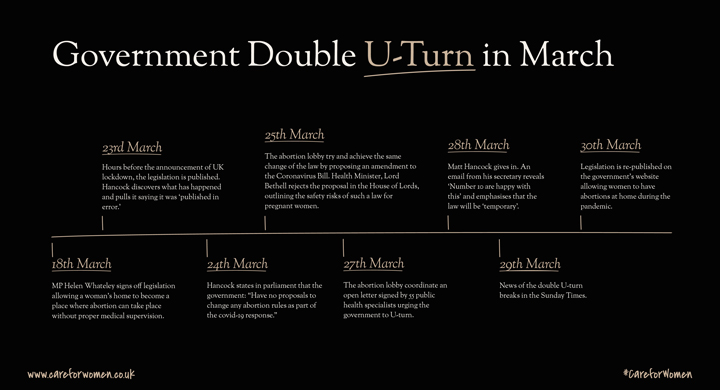
The protest followed a week of online campaigning by the groups in the coalition, reliving the momentous double U-turn by the government during the week 23-30 March 2020 which saw an undemocratic introduction to the home abortion policy.
The online campaign also told the stories of women who had experienced home abortions and suffered the traumatic consequences, such as Kirsty and Natalia, both of whom were coerced into taking the abortion pills at home and are now receiving help, support and counselling from Rachel’s Vineyard.
Call to end the measure immediately
On 30 March 2020, Matt Hancock, Secretary of State for Health and Social Care, completed his double U-turn by republishing the biggest change to abortion law since 1967, allowing a woman’s home to legally be a place where an abortion could be carried out – all without the proper medical supervision.
One year on, the government are now deliberating over whether to make the telemedicine service permanent, despite promising that it would only be a ‘temporary’ measure in response to the pandemic.
To mark the one year anniversary of the policy, the Care for Women partnership delivered letters to the Prime Minister, the Department of Health and Social Care, and the Royal College of Obstetricians and Gynaecologists – which lobbied for a change in the law – to reverse the measures and end them immediately. Specifically, they ask:
- for an end to ‘pills by post’ abortion measures immediately
- to ensure meticulous and impartial data collection to ascertain the full impact of these measures
- to ensure that women in a crisis pregnancy are properly supported and counselled by truly independent organisations.
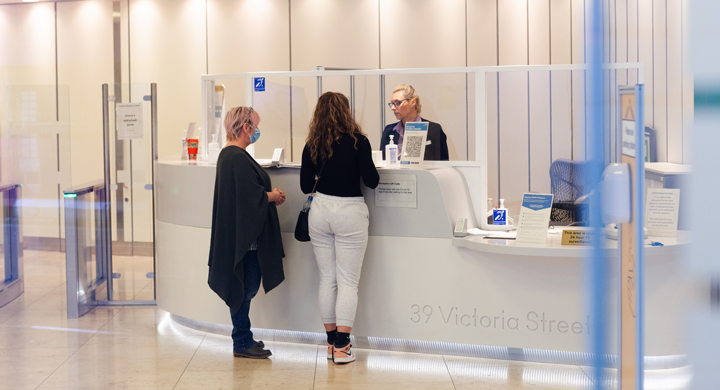
The letters were handed in at key locations across central London by Natalia, a survivor of DIY abortion, and others representing the groups from the Care for Women coalition.
Home abortion is not healthcare
The abortion lobby has continued to campaign for the measures to be made permanent, citing the need for better ‘women’s healthcare’ and ease of access to abortion.
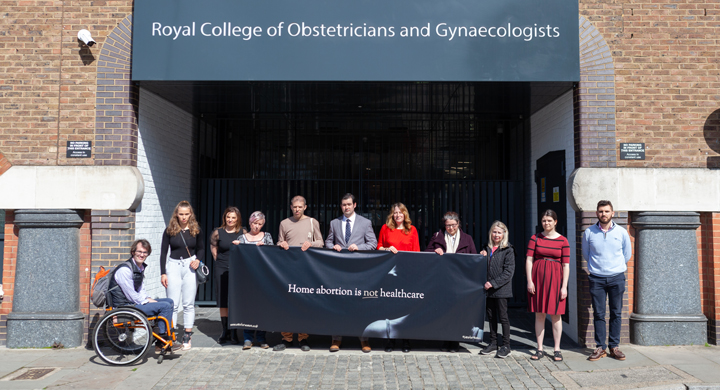
However, the Care for Women group argues that ease of access to abortion should never come before proper safeguards and care. The group also stood outside each of the key locations – the Department of Health and Social Care, Parliament Square, and the Royal College of Obstetricians and Gynaecologists – holding a banner with a simple message: ‘Home abortion is not healthcare’.
Back room abortion documentary
The following day, to culminate the end of the online campaign, the Care for Women coalition put on a 25 minute documentary, telling the story of how DIY abortion was brought into law and the true impact it has had on women across the UK. On the one-year anniversary of the passing of pills-by-post, doctors, women who have experienced home abortions, and representatives from pro-life groups expose the truth behind this new back room abortion service.
You can watch the full documentary below:

You can find out more at www.careforwomen.co.uk
Care for Women is partnership of pro-life groups dedicated to seeing an end to DIY abortion. The campaign is supported by:
- CBRUK
- Christian Concern
- March for Life
- Pregnancy Crisis Helpline
- Rachel’s Vineyard
- SPUC
- The Good Counsel Network
- Voice for Justice
- 40 Days for Life