Thomas Buxton is a name that few people know, but who God used mightily. Andrea Williams reflects on how we are called to obey God with our lives no matter the reward
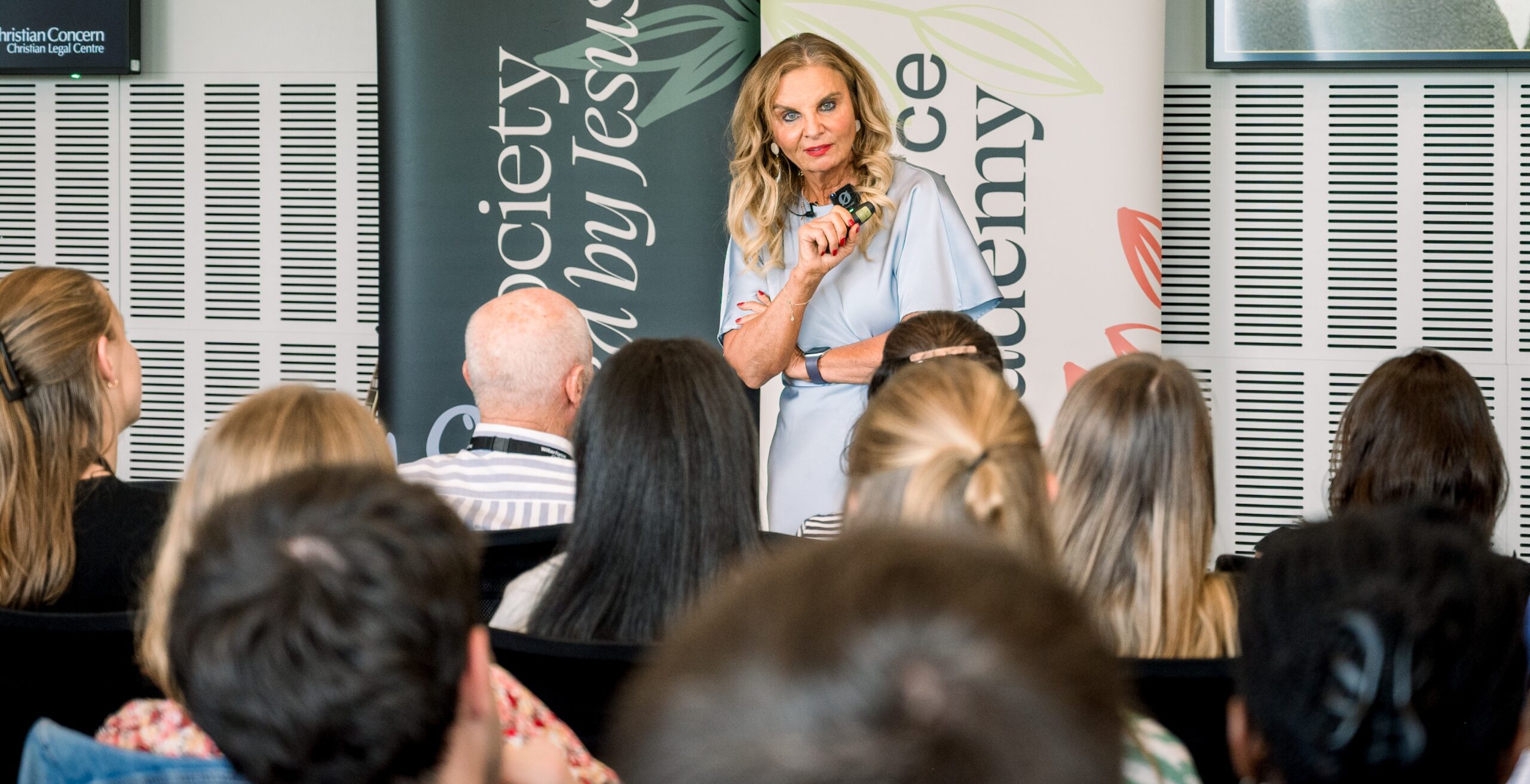
Last week we gathered another extraordinary group of young Christians for the 16th Wilberforce Academy.
Every year, I find myself deeply moved by what happens there.
Young men and women come from different universities, professions, churches and parts of the country. They arrive with different gifts and different callings. But they leave with a common challenge:
Will I give my life to Christ in my sphere of influence? Will I be obedient to Him wherever He places me? Will I seek to build his kingdom on earth as it is in heaven?
We call it the Wilberforce Academy because William Wilberforce embodies so much of what we want to instil in the next generation. The whole affection of his heart was in Christ and from that he was compelled to reform the nation.
Wilberforce did not fight for a few months and see instant victory.
The battle against the slave trade consumed the whole of his public life. He endured defeats, ridicule, political opposition, exhaustion and disappointment. Again and again, abolition was frustrated.
Yet he persevered.
In 1807, after that long struggle, Parliament finally abolished the British slave trade.
But slavery itself remained.
I was unexpectedly reminded of this immediately after the Academy. I travelled down to Portland and Weymouth to visit my parents.
For nearly twenty years, from 1818 to 1837, the MP for Weymouth was Thomas Fowell Buxton.
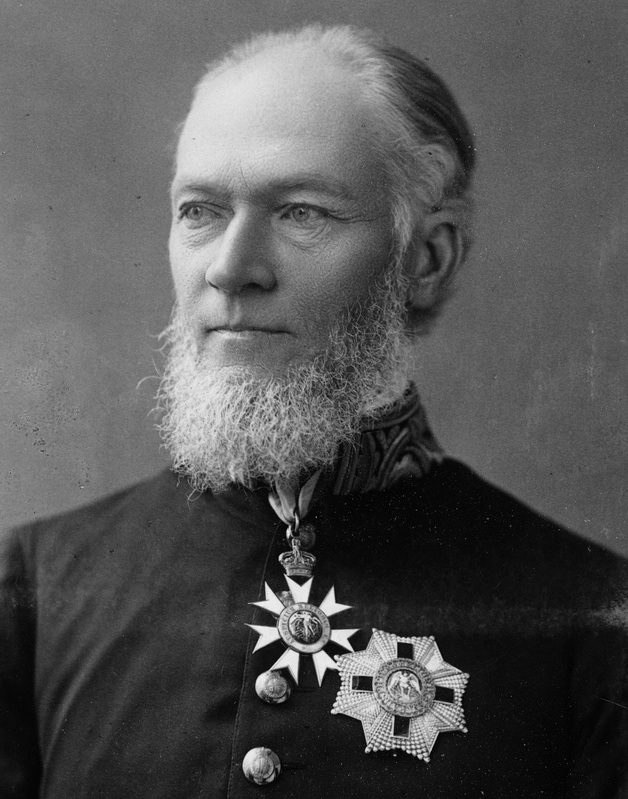
Thomas Buxton – man of God
I wonder how many people in Weymouth know his name today? His life was not taught to us in school. I wonder how many Christians and activists even know his name.
When Wilberforce grew older and withdrew from Parliament, it was Thomas Fowell Buxton who took up the parliamentary struggle against slavery itself.
Wilberforce led the victorious battle against the trade; Buxton carried forward the battle against slavery.
Like Wilberforce, Buxton was motivated by an all-consuming love of Christ – the true affection of his heart. That love compelled him to pursue political reform.
He wrote:
“When I come to humanity, justice; and the duties of Christian men, I stand upon a rock.”
That was the foundation.
God had given something into his hands – influence, position, and opportunity – and Buxton therefore had a duty to use it.
In 1833, after years of relentless campaigning under Buxton’s parliamentary leadership, the Slavery Abolition Act was passed.
Wilberforce died just days later.
The work to which Wilberforce had given so much of his life was carried to completion by another man.
And standing in Weymouth this weekend, I found myself thinking:
“We could have called it the Thomas Buxton Academy.”
But hardly anyone would have known who we meant.
And perhaps that is precisely the point. Wilberforce became one of the great names of British history, but Buxton is far less remembered.
Even in the town he represented while leading one of the great moral campaigns in our nation’s history, how many people know what he did?
But heaven knows his name. And God knew his obedience.
Pleasing our Father in Heaven
That is what I want every young person who came through our Academy last week to understand.
You may be a Wilberforce, but you may be a Buxton. You may begin something that somebody else finishes. You may inherit a battle into which somebody else has poured decades of prayer and labour. You may labour for years and never see the victory.
You may even help change the course of your nation and find that two hundred years later, hardly anybody remembers your name.
It does not matter.
Our calling is not to be famous, to build our own platform, to be thought leaders, influencers or celebrities. Our calling is obedience.
And that lesson could hardly be more relevant to the battles before us now.
For our generation, the slavery battle is abortion. And just like Wilberforce it is not only about seeing an end to such evil, but about the wholesale ‘reformation of morality’ in the land. For us to understand the humanity of the slave or the humanity of our children, we need to understand who we are under God and what he has done through his death on the cross.
The abolitionists looked at an accepted institution of their age and said: however embedded this is, however profitable, however protected by law, however impossible abolition appears, human beings cannot be treated this way.
We must have that same persistence in defending unborn human life.
We want to see abortion become unthinkable in our nation.
We want a culture in which every mother is supported, every child is welcomed and protected, and human life is cherished from its beginning.
If it seems impossible, remember: so did abolition.
There will be setbacks, but Wilberforce teaches us not to measure obedience by the speed of the result.
Some battles take a lifetime. And sometimes, wonderfully, we do get to see a victory.
For more than twenty years, Christian Concern has resisted the legalisation of assisted suicide.

There have been moments when many believed the argument was already lost.
Yet last Friday, 11 September, the House of Commons rejected the Terminally Ill Adults (End of Life) Bill at Second Reading by 286 votes to 270.
After all those years of campaigning, it was a significant moment.
The previous version of the legislation had passed the Commons in June 2025 before falling when it failed to complete its passage through the Lords before the end of the parliamentary session. The proposal was then reintroduced this year.
This time MPs said no.
Those of us who have been involved in this battle for years know that victories like this do not simply appear. People pray, write, organise, and brief MPs.
They speak when it is unpopular and they keep going when everyone tells them the cause is lost.
They obey.
Sometimes one generation plants the seed from which another generation sees the harvest.
That is the lesson of Wilberforce and Buxton.
They needed each other. And both needed countless Christians whose names history has completely forgotten: people who prayed, organised, wrote, petitioned, spoke, gave and refused to give up.
That is how nations change.
And that is why the Wilberforce Academy matters. We are not trying simply to produce another generation of Christian commentators who can describe what has gone wrong with our culture.
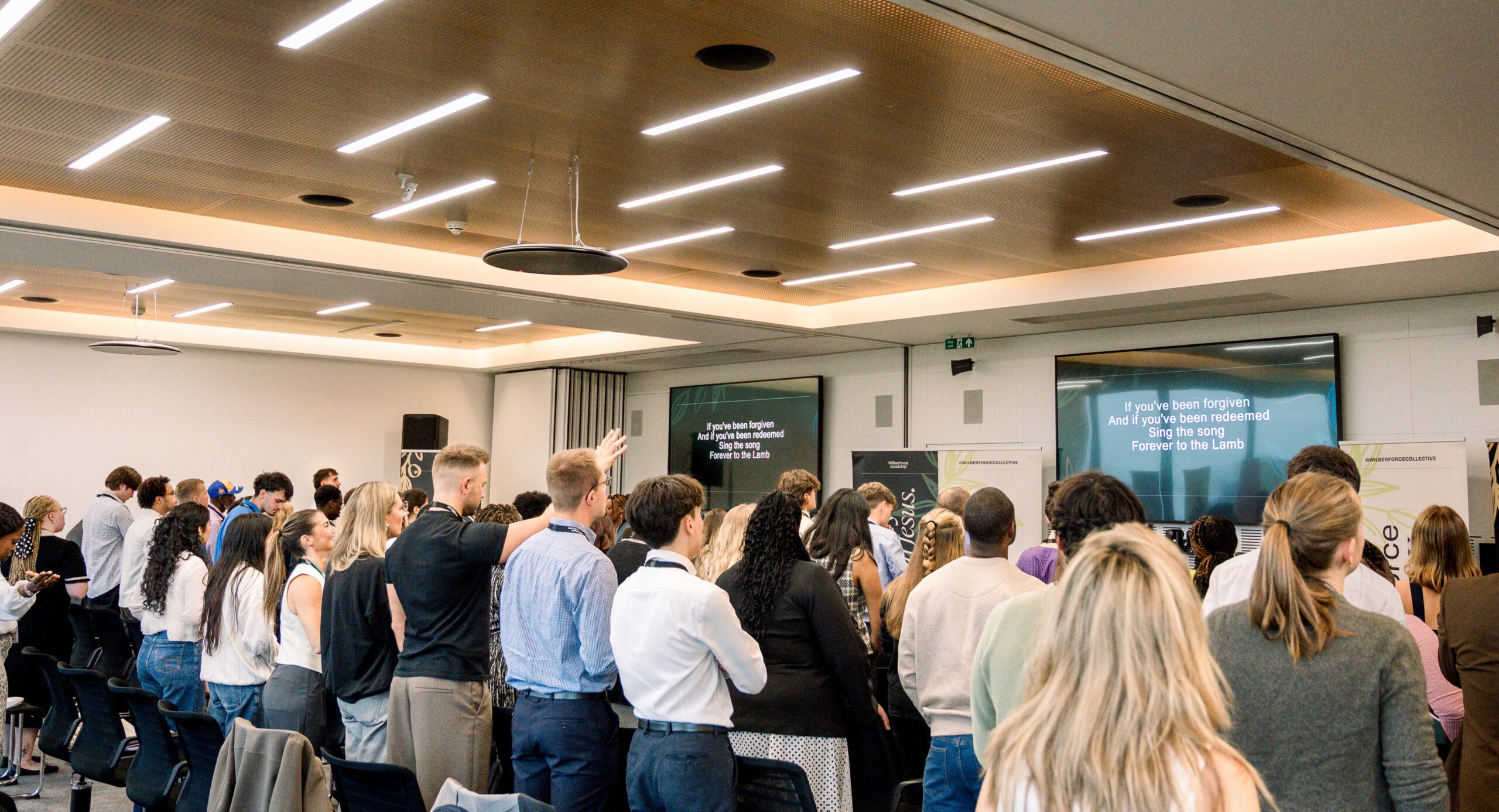
We are seeking to raise a generation who will change it.
Men and women prepared to enter law, medicine, education, politics, business, media, the arts and every sphere of national life carrying an unashamedly Christian vision.
Perhaps one of them will help bring about the end of abortion in this country. Another might defend Christian freedom in a battle we cannot yet foresee. Yet another could begin a work that will not be completed in their lifetime.
Some may become household names.
Most will not.
Some may see extraordinary victories.
Others may faithfully prepare the ground for victories another generation will inherit.
What matters is obedience
What matters is obedience.
As Paul reminds us:
“I planted, Apollos watered, but God gave the growth.” – 1 Corinthians 3:6
We plant.
We water.
We pray.
We speak.
We stand.
We contend.
We refuse to give up.
And then we trust God with the outcome.
That is the lesson of twenty years standing against assisted suicide, and it must be our determination as we continue the great battle for the lives of unborn children.
Perhaps we will see the victory. Perhaps those coming through the Wilberforce Academy will see it. Perhaps they will hand the battle to another generation.
But whether history remembers our names is not the point.
Heaven knows.
What matters is obedience.